

Routine Condition Tracking for Your Septic System
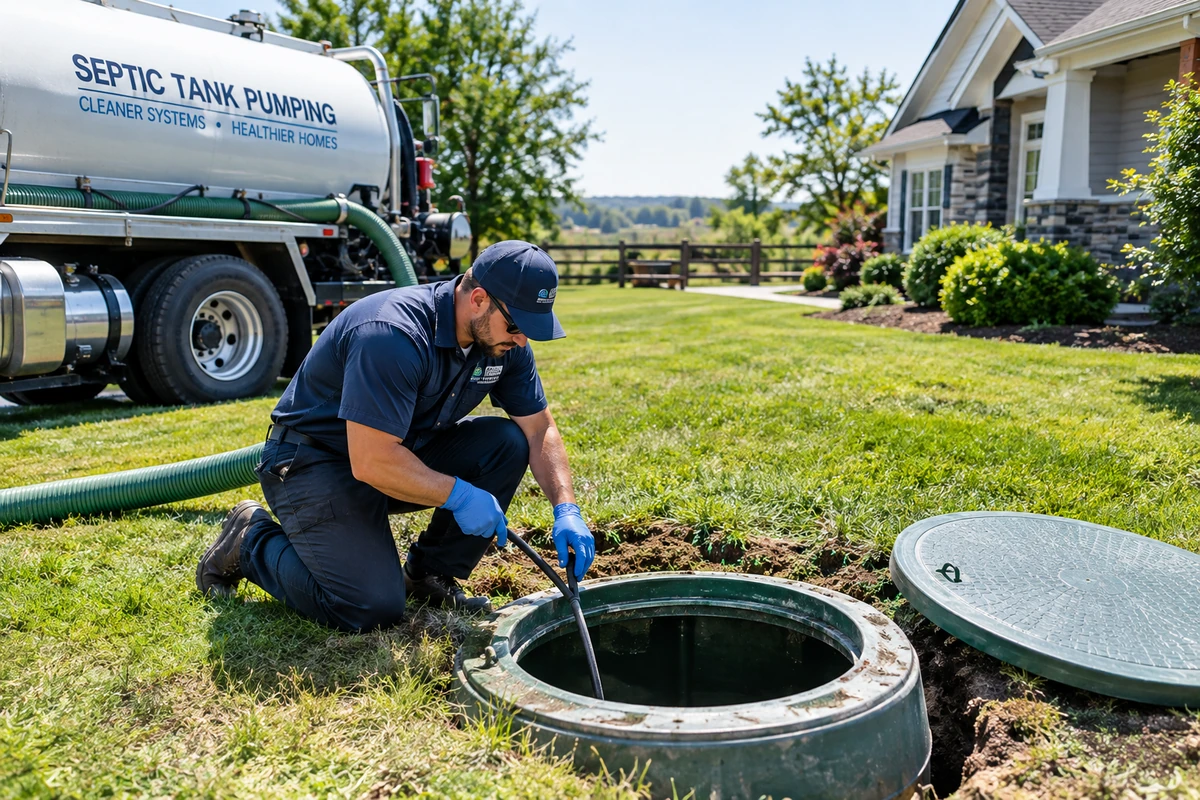
Septic maintenance works best when decisions come from records and observed conditions rather than a date remembered approximately. A routine inspection creates a current reference for the tank, accessible baffles or tees, effluent filter, pumps or alarms and visible drainfield area. It can show whether pumping is approaching, a component needs attention or a symptom deserves diagnosis.
The inspection may include pumping history, tank access, liquid level, sludge and scum measurements when practical, reachable component conditions and photographs. Alternative systems may require more frequent visits or additional checks of mechanical and treatment parts. The system design and agreed scope determine what is included.
A maintenance inspection does not uncover every buried condition. It also cannot guarantee future drainfield performance. Access, weather, soil saturation and recent water use can affect the observations. We record those limits so future decisions are based on a clear service history.
When Should You Arrange a Maintenance Inspection?
The system has not been inspected for several years.
The next pumping date is uncertain or household use has changed.
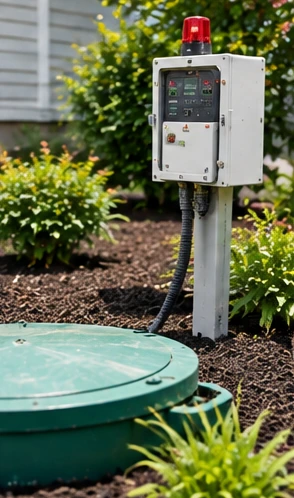
The property has a pump, alarm, effluent filter or alternative treatment unit.
Previous service identified a component that should be monitored.
Several drains have slowed, odors have appeared or wet ground is visible near the system.
The owner wants a documented baseline before remodeling, increased occupancy or long-term absence.
The U.S. Environmental Protection Agency advises that an average household septic system should be inspected at least every three years. Systems with electrical float switches, pumps or mechanical components generally need more frequent inspection, often annually. Actual requirements and manufacturer instructions still control for the specific system.
How We Handle a Septic Maintenance Inspection
1. Review the Maintenance Record
We check known installation details, pumping dates, earlier measurements, repair history and previous recommendations. A gap in records becomes part of the assessment.
2. Confirm Access and System Type
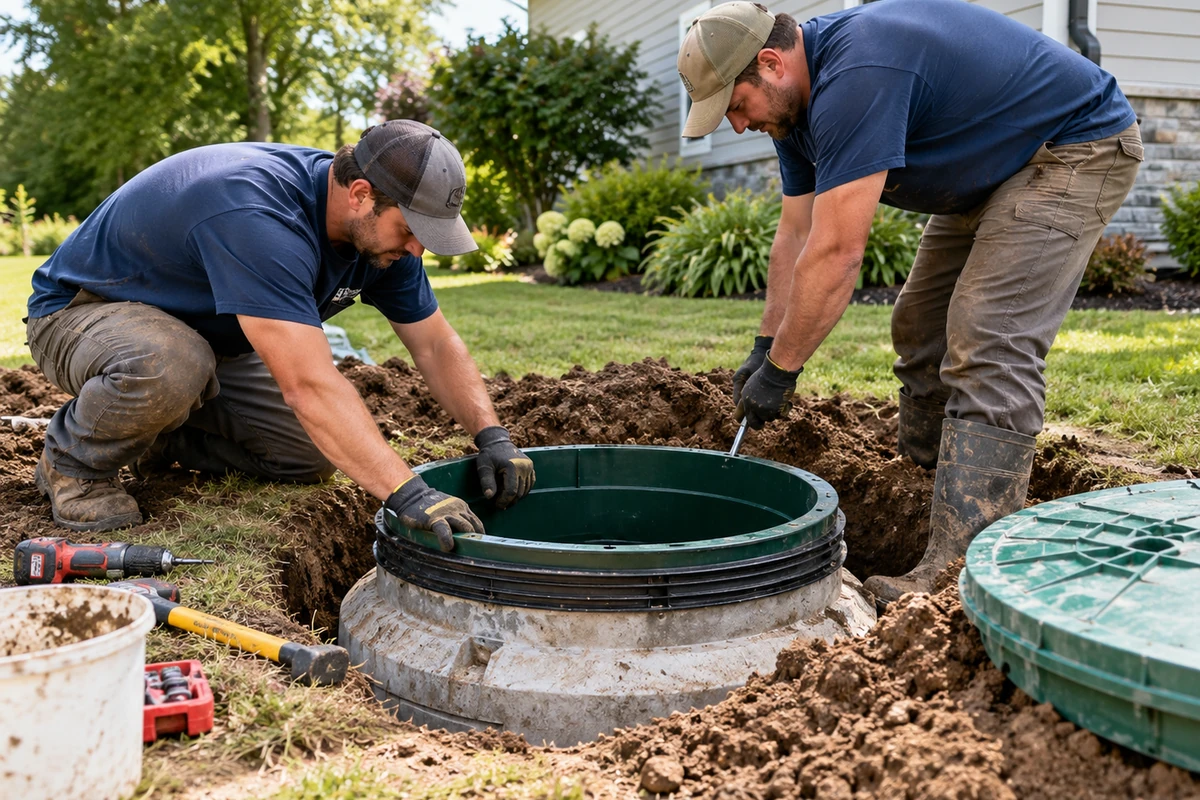
We identify the tank and visible components, then confirm which lids or controls can be reached safely. Tank locating or excavation remains separate when access is unknown or buried.
3. Observe and Measure
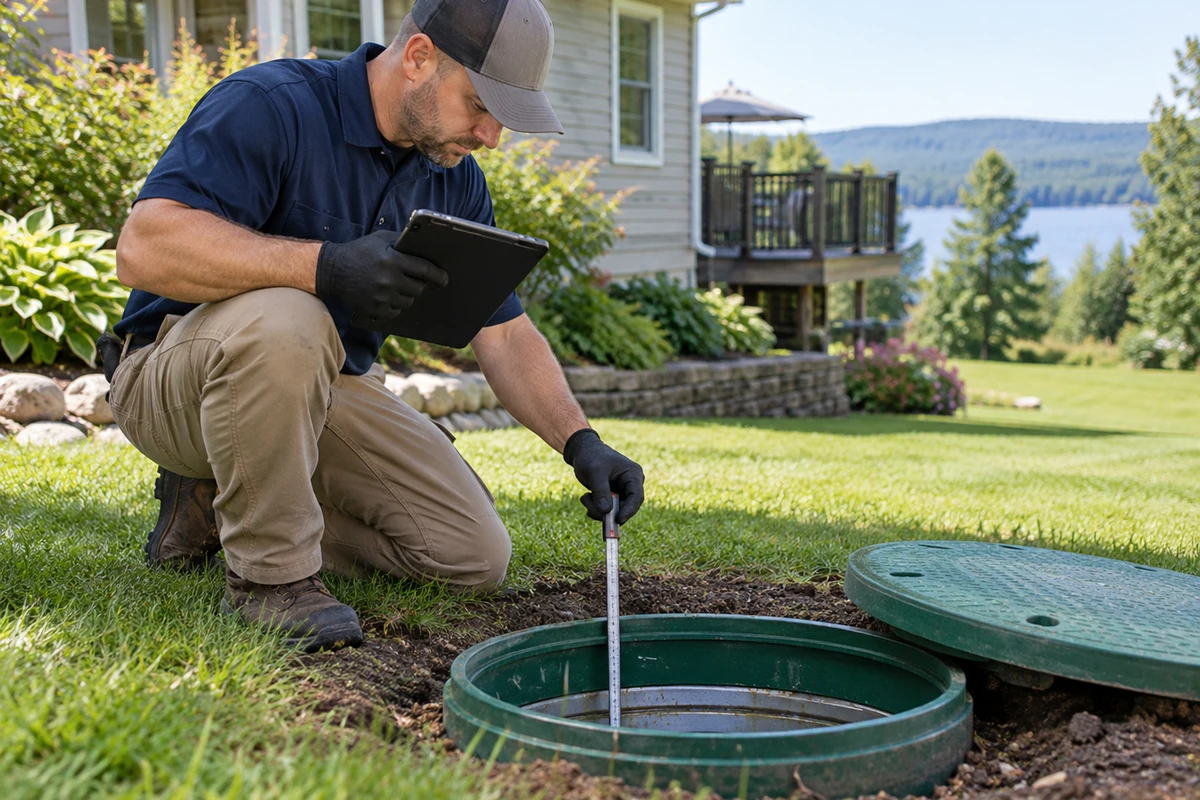
We record liquid level and sludge or scum conditions when the scope and access allow. Reachable baffles, tees, lids, filters, pumps and alarms are checked as applicable.
4. Review the Drainfield Area
We look for visible wetness, wastewater, odors, unusual growth, erosion or traffic over the treatment area. These observations help identify concerns but do not expose hidden soil conditions.
5. Record the Next Step
The service record explains whether routine monitoring, pumping, filter cleaning, pump service, line inspection or repair should be considered next.
What Affects Septic Maintenance Inspection Cost?
Cost depends on the system type, number of tanks or components, access depth, tank location, measurement needs, report detail and travel. Pumping, excavation, locating, filter cleaning, pump diagnosis, camera inspection and repair may be separate. A clear scope shows whether the visit is a limited maintenance check or a broader diagnostic assessment.
Related Septic Services
See Septic System Inspection Covington for the complete inspection overview.
For a property sale or purchase, use Real Estate Septic Inspection Covington.
When accumulated solids need removal, see Septic Tank Pumping Covington KY.
Service locations are listed under Areas We Serve Near Covington.
Frequently Asked Questions
How often should a household septic system be inspected?
The EPA recommends that the average household septic system be inspected at least every three years. Alternative systems with electrical float switches, pumps or mechanical parts generally need more frequent attention, often once a year.
How much does a septic maintenance inspection cost in Covington?
Cost depends on system size, access, depth, condition, travel, equipment and the observations or measurements included. Pumping, locating, excavation, component service, diagnosis or repair may be priced separately.
How does this differ from a general septic system inspection?
This page focuses on scheduled condition tracking, service history, tank measurements and the next maintenance interval. The general inspection service also covers property transactions and diagnosis of active problems.