

What Septic Pump and Alarm Service Covers
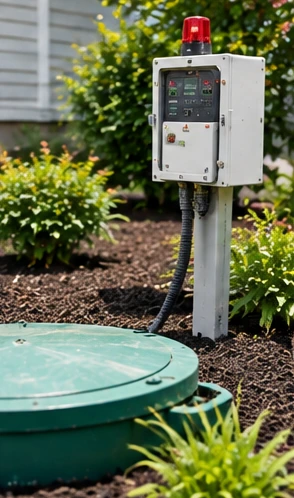
A pump-equipped septic system uses electrical and mechanical components to move treated effluent or sewage when gravity alone cannot do the job. Depending on the approved design, a pump tank or dosing tank may contain an effluent pump or sewage pump, operating floats, a high-water alarm float and related piping. A timer or control panel may regulate when the pump runs and how much wastewater is delivered during each cycle.
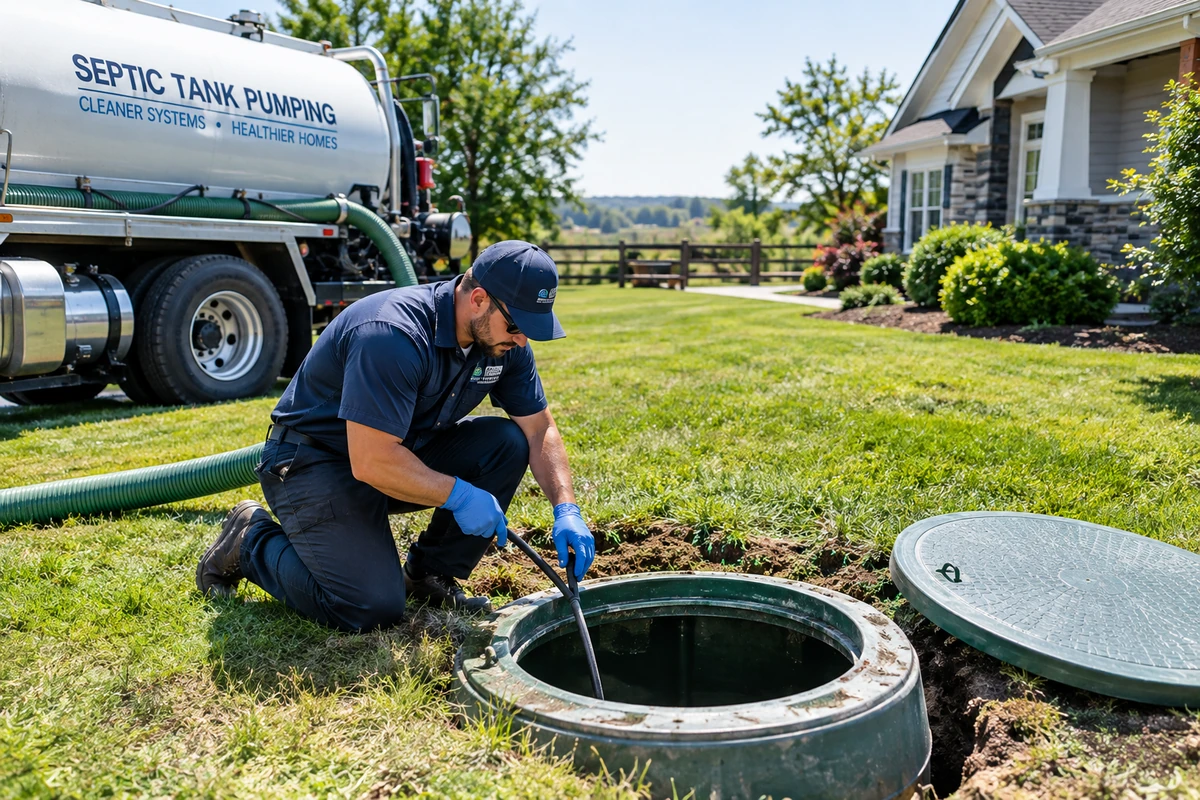
Service begins with the actual system configuration. The scope may include checking accessible power and protective devices, inspecting the control panel, testing alarm response, evaluating float position and movement, checking the timer or relay sequence, and assessing whether the pump receives the correct control signal. When the tank level or accumulated solids prevent safe diagnosis, pumping may be needed before components can be reached or removed.
This page covers diagnosis and repair planning for pumps, floats, alarms, timers and controls. It does not assume that every alarm means a failed pump. It also does not include unrestricted electrical work, drainfield reconstruction, building-sewer cleaning, tank replacement or correction of an unapproved system design. Electrical testing and component replacement must remain within the qualifications, permits and manufacturer requirements that apply to the specific system.
Signs You May Need Pump or Alarm Service

An alarm is the clearest warning, but changes in pump cycling or wastewater movement can appear first. Reduce water use when a high-water condition is suspected. Do not enter a tank, handle exposed wiring, force floats, or bypass electrical protection. Common service triggers include:
The audible or visible high-water alarm activates or returns after being silenced correctly.
The pump runs continuously, starts more often than usual or does not appear to start.
The control panel shows a fault light, tripped protection or an unexpected operating state.
Wastewater remains unusually high in the pump tank or dosing tank.
A float is tangled, obstructed, damaged or unable to move through its intended range.
The system backs up, drains slowly or produces an odor while an alarm or pump issue is present.
A timer, relay, splice, junction or accessible connection shows damage, corrosion or moisture.
These symptoms identify a need for diagnosis, not a guaranteed cause. Slow drains may come from a building line, a full tank or a downstream restriction. A silent alarm can involve the alarm circuit rather than the pump circuit. A pump that runs may still have a blocked discharge, damaged impeller, worn check valve or insufficient output. The tank level, controls and downstream path must be considered together.
Common Causes of Septic Pump and Alarm Problems
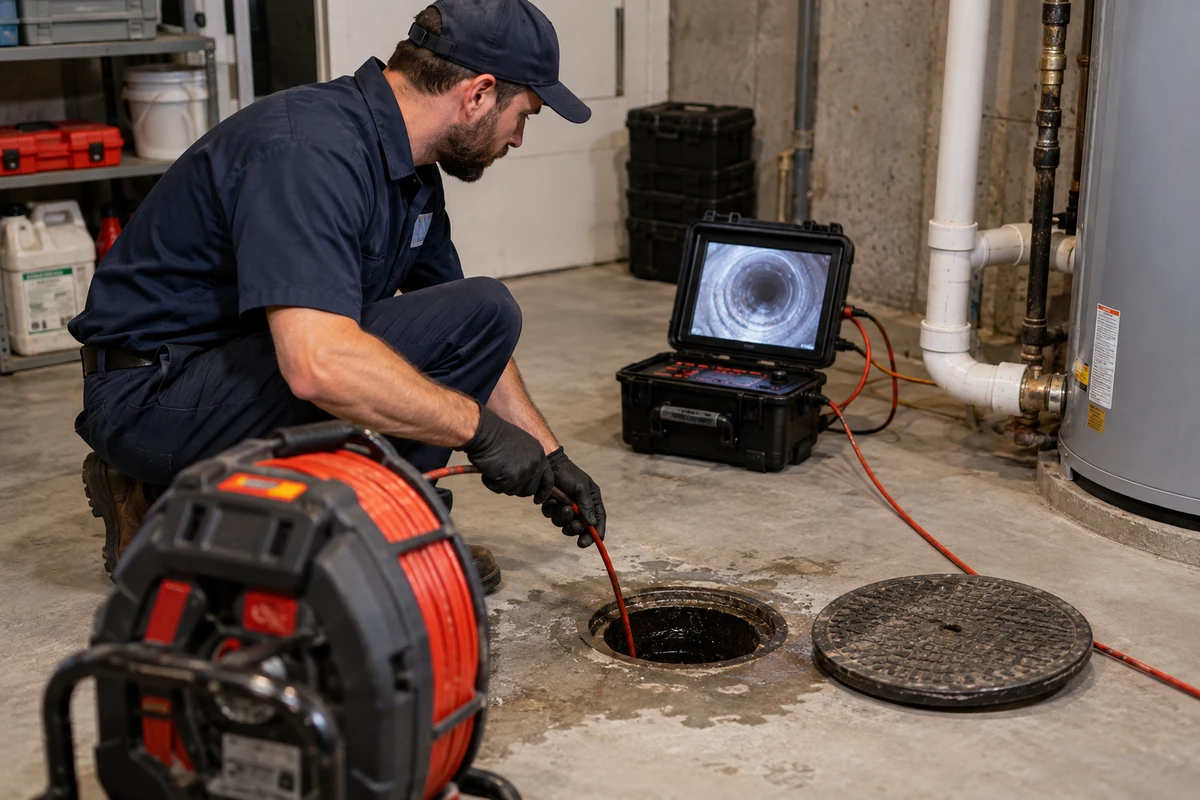
Power loss, a tripped breaker, damaged wiring or a failed control component can prevent operation. Moisture and corrosion can affect accessible connections, relays and terminals. A float switch may stick against a tank wall, become tangled with another float, lose its mounting position or fail internally. Timer settings and control logic can also produce unexpected cycles when they no longer match the approved operating sequence.
The pump itself can fail because of age, wear, overheating, solids, debris or repeated short cycling. A blocked intake, damaged discharge pipe, failed check valve or frozen or restricted line may prevent wastewater from moving even when the motor operates. High use, leaking fixtures or stormwater entering the system can raise the liquid level faster than the pump and soil treatment area can manage it.
A downstream restriction is an important diagnostic limit. The pump and floats may work, yet effluent may not reach or distribute through the next part of the system correctly. The service scope must separate a component fault from a pressurized line, manifold or drainfield problem. Replacing a pump without confirming the discharge path can leave the original problem unresolved.
How Our Septic Pump and Alarm Process Works
1 Verify the System and Immediate Condition
We identify the pump tank, system type, alarm condition and reported symptoms. Available permits, maintenance records, control-panel labels and manufacturer information help establish the design. Water use and site access are considered before covers or electrical components are approached.
2 Inspect and Diagnose
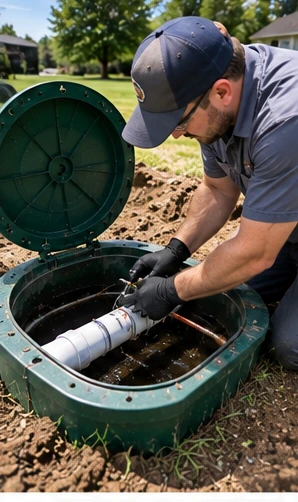
Qualified personnel examine accessible electrical protection, panel status, alarm response, float arrangement, liquid level and observable pump condition. Electrical test equipment, pump and float tools, lifting equipment, pumping equipment when needed, replacement components and safety gear are selected for the confirmed scope.
3 Explain the Findings
We separate confirmed faults from conditions that still need testing. The explanation identifies whether evidence points to the alarm, float switch, timer, control panel, pump, discharge line, excessive inflow or another part of the onsite system. Diagnostic limits are stated clearly.
4 Approve the Work Scope
The work plan identifies the component to be adjusted, repaired or replaced, any pumping needed for access, and any separate electrical or downstream evaluation. Compatible parts, manufacturer requirements and permit or operator obligations are considered before work proceeds.
5 Complete the Agreed Work
The approved component work is performed without bypassing floats, controls or safety protection. Pump position, float spacing, wiring method, alarm function and discharge connections are addressed only within the verified system-specific scope.
6 Verify and Document Operation
The system is checked through an appropriate operating sequence. The record notes the observed condition, tests, component details, settings when applicable, completed work, remaining limits and any separate service recommended for the tank, line or soil treatment area.
Pump, Alarm and Electrical Safety Requirements
Kentucky's onsite-system component standards define pump or dosing tanks and necessary equipment as onsite-system components. The standards address high-water alarms, automatic pump controls and installation details for dosing and holding tanks. Approved components and the actual permitted design should guide repair or replacement; a generic part is not automatically compatible.
A septic tank or pump chamber presents electrical, fall, gas and wastewater exposure hazards. Keep people and pets away from an open access point. Do not enter the chamber. Do not reach into wastewater, handle wet electrical equipment or defeat the alarm, breaker, float or control logic. Silencing an audible alarm does not correct the liquid level or its cause.
The Northern Kentucky Health Department provides septic oversight in Boone, Campbell, Grant and Kenton counties and directs repairs or alterations through certified installers and repair permits. Alternative systems may also carry design, manufacturer or ongoing maintenance requirements. Certified Installer or Certified Operator details should appear only when they are verified for the work and system involved.
The U.S. Environmental Protection Agency's septic-care guidance notes that alternative systems with pumps, electrical float switches or other mechanical components generally need more frequent inspection than ordinary household systems. Maintenance records should identify the work performed and the condition found.
What Affects Septic Pump and Alarm Service Cost
Cost depends on the system type, tank depth, access, liquid level, component location, diagnosis time, travel, electrical testing, pumping needs and the failed part. A reachable alarm float differs from a submerged pump that requires lifting equipment and tank pumping. Effluent pumps, sewage pumps, control panels, timers, floats, relays, check valves and discharge components also vary by design and capacity.
Additional work may involve tracing a circuit, separating a pump fault from a downstream restriction, restoring a safe access point or obtaining a permit for an alteration. Emergency timing can affect scheduling, but no response time should be promised without current operational confirmation. A Northern Kentucky price range should be published only after current provider quotes or completed jobs support it.
Related Septic Pump, Alarm and System Services
For pump-specific diagnosis and component work, see Septic Effluent Pump Repair Northern Kentucky.
For control-side faults, see Septic Alarm, Float & Control Repair Northern Kentucky.
For the site's primary pumping topic, see Septic Tank Pumping Covington KY.
For broader system and service answers, review Septic Service FAQs.
Service Areas Near Covington
Covington, Kenton County and Northern Kentucky are the geographic focus for this page. Pump and alarm work may be relevant in South Covington, Independence, Taylor Mill, Ryland Heights, Morning View, Piner, Kenton, Walton, Burlington, Union, Alexandria, Crittenden, Williamstown and Falmouth. Proximity does not confirm coverage. The operating territory, system type, travel limits and availability must be verified for each address.
Use Areas We Serve Near Covington to review the location directory and applicable coverage details.
Frequently Asked Questions
What should I do when the septic alarm sounds?
Reduce water use, check for an obvious safe power issue, and silence the alarm only according to the panel instructions. Do not bypass floats, controls or electrical protection. A qualified technician should diagnose the system.
Does a high-water alarm always mean the pump failed?
No. High water can result from power loss, a failed float, pump trouble, control problems, excessive water use or a downstream restriction. Diagnosis is required.
Who may service an alternative septic system?
Northern Kentucky rules can require a manufacturer-trained Certified Operator for alternative systems with ongoing maintenance obligations. The page must list only verified qualifications.
How much does septic pump & alarm service northern kentucky cost?
The cost of septic pump & alarm service northern kentucky depends on system size, access, depth, condition, travel, equipment, and any additional diagnosis or repair. Publish a local range only after it is supported by current provider quotes or completed jobs.
Where is septic pump & alarm service northern kentucky available?
Septic Pump & Alarm Service Northern Kentucky is available only within the operating provider's confirmed service territory. The final page must name the exact covered communities and explain any travel or scheduling limits before publication.