
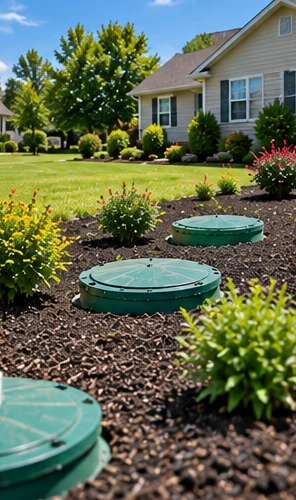
A good inspection can document visible and accessible conditions, maintenance needs, and risk factors. It cannot expose every buried defect or promise an exact remaining life. Treat the report as one part of the property decision, together with records, repair estimates, contract advice, and local permit requirements.
Start With Records
Ask for documents before the inspection date. Records can identify the approved design, installation date, tank size, system type, component locations, permitted bedroom capacity, past pumping, repairs, and alternative-system duties. Compare the paperwork with what is visible at the property. Missing or conflicting records should be noted, not guessed.
| Record to review | What it may show | Why it matters |
| Permit and approved drawing | Design, capacity, layout, and approved components | Helps identify whether the site matches the permitted system |
| Pumping and service reports | Dates, solids levels, defects, filters, alarms, and work | Shows maintenance history and repeated concerns |
| Repair permits and invoices | Parts replaced, drainfield work, contractor, and date | Clarifies the scope and age of major work |
| Alternative-system agreement | Service frequency, sampling, reporting, and owner duties | Reveals obligations that continue after closing |
Questions for the Seller
Ask direct questions and compare each answer with written records. When was the tank last pumped and inspected? Has sewage ever backed up, surfaced outdoors, or triggered an alarm? Were there repairs to the tank, building sewer, distribution box, pump, controls, or drainfield? How many people occupied the home, and was a garbage disposal used?
Also ask where the tank, access points, pump chamber, and drainfield are located; whether vehicles or structures have crossed the area; and whether roof or sump water reaches the field. For an alternative design, obtain the owner manual, service agreement, monitoring results, and provider history. Record unanswered questions for the inspector.
Schedule the Right Inspection
Confirm whether the general home inspection includes any septic work and exactly what that work covers. A visual note about drain performance is not the same as a specialist system evaluation. Arrange the septic visit early enough for access, records review, weather limits, further testing, estimates, and contract decisions.
A specialist Septic System Inspection may review the permit and service history, locate accessible components, measure solids, observe tank levels, inspect baffles and filters, assess pumps or alarms, and examine visible drainfield conditions. Agree on the scope in advance.
What the Report Should Cover
The report should identify the inspection date, weather and site conditions, records reviewed, system type if confirmed, components accessed, observations, measurements, testing completed, limitations, photos when appropriate, and recommended next steps. Findings should separate routine maintenance from a defect, further evaluation, or repair.
Tank and access: Liquid level, sludge and scum, visible integrity, lids, risers, inlet and outlet parts, and filter condition.
Mechanical components: Pump, floats, controls, alarm, wiring observations, and operating limits where present.
Distribution and field: Visible wetness, surfacing effluent, uneven loading clues, settlement, damage, and access limits.
Understand Inspection Limits
A septic inspection describes conditions observed during a specific visit. Soil, buried piping, tank walls, and drainfield laterals may be partly or fully hidden. Dry weather, saturated ground, recent pumping, low occupancy, inaccessible lids, or missing records can limit what the inspector can evaluate. Read the limitations section as carefully as the findings.
No inspection can guarantee future operation or assign an exact remaining life. A system may work during the visit yet have age, loading, groundwater, root, or maintenance risks. When a concern remains unresolved, use further evaluation or a written repair estimate instead of assuming the best outcome.
Tank Pump and Drainfield Concerns
Common concerns include excessive solids, a damaged or leaking tank, unsafe access, broken baffles, a clogged effluent filter, root-affected or settled piping, a failed pump, unreliable floats or alarm, an uneven distribution box, surfacing wastewater, and a drainfield that cannot accept normal flow. One symptom does not prove one cause.
Pumping can remove accumulated solids and allow better tank observations, but it does not repair a failed pump, broken line, damaged tank, or exhausted drainfield. A vacuum truck, pumping hose, measuring tools, hand tools, safety equipment, and service records support the work, while repair decisions depend on the documented condition.
Alternative System Contracts
Aerobic treatment units, pressure distribution, drip systems, sand filters, and other alternative designs may carry recurring service, sampling, reporting, or operator requirements. Confirm the approved design, component age, current agreement, recent results, open violations, and whether the agreement transfers to a buyer or must be replaced.
The buyer should understand the expected service schedule and who is qualified to complete it. Permit conditions, Kentucky Department for Public Health rules, and the local health authority can affect the correct process. Verify current property-specific requirements rather than relying on a generic maintenance schedule.
Plan Repairs and Negotiation
Turn each material finding into a written next step. Ask what needs immediate correction, what needs further evaluation, and what is routine maintenance. Obtain estimates that state the assumed cause, repair scope, permit needs, access work, restoration, and items excluded. A low estimate for pumping should not be treated as a drainfield replacement estimate.
Coordinate inspection, estimate, permit, financing, and closing deadlines with the appropriate real-estate and legal professionals. Decide whether the seller will complete approved work, provide a credit, or leave the buyer responsible. Document the agreed scope and completion evidence instead of relying on a verbal promise.
Keep Documents After Closing
Retain the permit, system drawing, inspection report, photographs, pumping records, repair invoices, service agreements, manuals, warranty terms, and transaction documents. Store a simple map showing the tank, access points, pump chamber, distribution area, and drainfield. Give future service workers the history before work begins.
Add each inspection, pumping visit, alarm, filter service, and repair to the file. Written history helps establish a suitable maintenance interval and makes future property decisions easier. It also prevents landscaping, construction, or vehicle use from unknowingly damaging the treatment area.
Frequently Asked Questions
Is septic inspection part of a normal home inspection?
Not always. Confirm the home inspector's scope and arrange a specialist septic inspection when needed. Ask what components will be accessed, what testing is included, and what conditions may limit the result.
Should the seller pump the tank before inspection?
Coordinate with the septic inspector. Pumping can reveal conditions, but doing it before the agreed inspection may also remove evidence about operating level or recent use. Set the sequence and scope before the service occurs.
Can an inspection predict exact remaining life?
No. It can identify observed condition and risk factors, but exact remaining life depends on hidden conditions and future use. Use the report to guide maintenance, further evaluation, estimates, and the property decision.
Related Septic Resources
Septic Tank Pumping Covington KY - review pumping and tank-maintenance guidance
Septic Service FAQs - find direct answers about common septic concerns
Areas We Serve Near Covington - view the local service-area overview